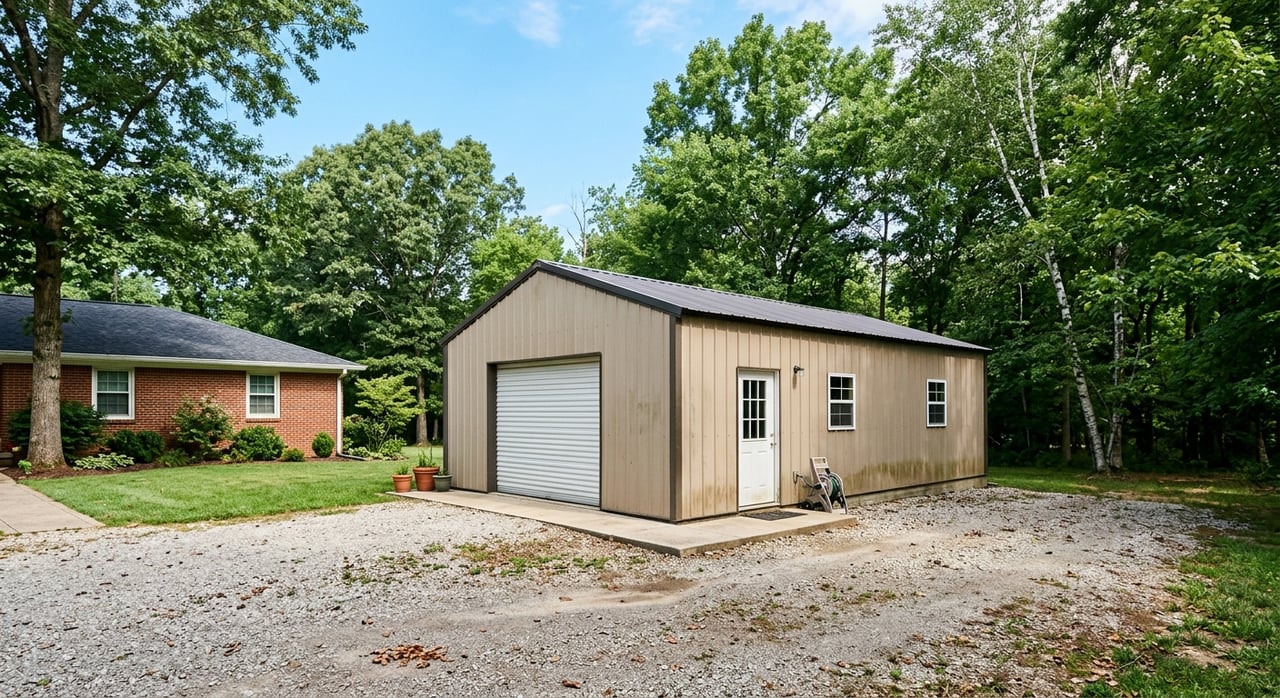
Wondering why selling a home on land in Tipton County can feel more complicated than selling a house on a standard lot? You are not just selling square footage. You are also selling acreage, access, drainage, outbuildings, and the day-to-day usability of the property. If you want a smoother sale and fewer surprises, it helps to prepare early and focus on the details buyers care about most. Let’s dive in.
Why preparation matters in Tipton County
Selling a home on land often takes more planning because buyers are evaluating the whole property, not just the house. In Tipton County, current market data suggests a market that is active but not especially fast, with public sources showing median time on market ranging from 54 to 76 days and 33 median days to pending depending on the platform and measurement.
Those numbers do not measure exactly the same thing, but they point in the same direction. Presentation and pricing matter. For a home on acreage, that usually means buyers want clear answers about the land itself before they feel comfortable making a strong offer.
What buyers look at on acreage
When a buyer tours a home on land, they usually notice more than curb appeal. They are paying attention to how the property functions. That includes driveway access, drainage, fencing, outbuildings, open usable ground, and the condition of systems like septic or a private well.
In Tipton County, access and land layout can be especially important. County subdivision rules state that no building permit may be issued unless the lot is served by an accepted public way or a compliant permanent easement, and permanent access easements must be at least 50 feet wide. That is one reason surveys, plats, and easement records can carry real weight during a sale.
Start with disclosures and paperwork
One of the best ways to prepare is to gather your records before the home is photographed or listed. Tennessee’s Residential Property Disclosure Act requires most sellers to provide a disclosure statement that covers key property details, known defects or malfunctions, and conditions such as flood or drainage issues, encroachments, and unpermitted work.
That matters even more on land listings because rural properties often have more moving parts. If a driveway crosses another parcel, if an outbuilding was added later, or if part of the property holds water after heavy rain, buyers will want to know. Being organized upfront can help reduce delays once you are under contract.
Documents to gather before listing
A strong pre-listing packet may include:
- Survey or plat
- Recorded easement documents
- Septic permit or repair history
- Septic pumping or inspection records
- Well records or well location details
- Notes about floodplain or drainage concerns
- Permits for additions or outbuildings
TDEC notes that well records are public record, and septic applications generally include a rough sketch showing property lines, house site, well location, driveway, and utilities. If you can assemble these items early, you give buyers more confidence and reduce last-minute scrambling.
Septic and well details deserve extra attention
If your property uses a septic system or private well, these are not minor details. They are often central to the buyer’s decision and the lender’s review.
TDEC says a septic construction permit is required to install a subsurface sewage disposal system or repair a faulty one. The application review generally takes 10 days and must be completed within 45 days. Tennessee health guidance also says homeowners should generally have septic systems inspected about every three years and pumped every three to five years, with a general recommendation of about every five years for pumping.
Private wells raise a different set of questions. Tennessee health says about 10 percent of the state uses a private water supply, usually a well or spring, and that water quality from a private supply is generally unregulated even though well construction is regulated. TDEC recommends annual bacteria testing and chemical testing every two years, and it notes that the state does not require routine private well sampling for a sale, though lenders may still require testing.
Should you check these systems before listing?
In many cases, yes. If a septic issue or water-quality question surfaces after you go under contract, it can slow the transaction or weaken your negotiating position. Getting ahead of those questions can help you market the property more clearly and move forward with fewer surprises.
Watch for flood and drainage concerns
On a larger property, drainage can affect value as much as cosmetic updates. Buyers may ask where runoff goes, whether any part of the tract sits in a low area, and whether the driveway or outbuildings are affected by standing water after a storm.
That is not just a buyer preference. Tipton County’s zoning code includes a Flood Overlay District and a County Flood Damage Prevention Overlay District, and Tennessee disclosure guidance specifically identifies flood or drainage issues as material facts. If you know of recurring water problems, it is wise to document them accurately and address what you reasonably can before listing.
Clean up the land, not just the house
Acreage buyers want the property to feel usable. If the land reads like storage instead of opportunity, that can hurt first impressions and pricing power.
Tipton County zoning regulations include standards related to front-yard appearance and note that the front yard should be landscaped and not used for storage of inoperable vehicles in certain districts. In practical terms, that supports a simple but important pre-listing goal: make the property look maintained, functional, and easy to understand.
Pre-listing cleanup checklist
Before photos and showings, focus on the items that improve clarity and confidence:
- Mow and edge so the usable footprint is easy to see
- Remove trash piles, scrap materials, and abandoned equipment
- Clear and photograph barns, sheds, workshops, or other outbuildings
- Repair obvious fence, gate, railing, gutter, roof, or paint issues
- Check for erosion, ditch problems, or standing water
- Remove inoperable vehicles from visible areas
You do not have to make the property perfect. You do want it to feel cared for. Buyers often read visible clutter or deferred maintenance as a sign there may be larger hidden issues.
Price for usability, not just acreage
One of the most common mistakes sellers make is assuming every additional acre adds the same kind of value. In a more detail-sensitive market, buyers tend to pay for usable land, not just more land.
That means condition and function matter. Clean access, maintained outbuildings, open ground, dependable utilities, and clear records often inspire more confidence than raw acreage with unresolved questions.
What supports buyer confidence
Features that may help a property show stronger value include:
- Easy and documented access
- A clean, well-defined driveway entrance
- Functioning septic system with records
- Well information or recent testing history
- Tidy barns, sheds, or workshops
- Visible maintenance around fencing and drainage
Pricing should reflect the total package. A careful pricing strategy can help you avoid sitting too long on the market while still positioning the property to attract serious buyers.
Use photos that explain the property
For a home on land, photography needs to do more than make the house look nice. It should help buyers understand how the property lays out and how it can be used.
That usually means showing the house in context with the land. Exterior shots of the entrance, driveway, outbuildings, fencing, open areas, and visible access points all help tell the story.
Best photo priorities for acreage homes
A strong image set often includes:
- Front exterior of the home
- Driveway entrance and approach
- Barns, sheds, workshops, or other structures
- Fenced or open land areas
- Garden, pasture, or cleared sections if present
- Views that show access and layout
High-angle or aerial imagery can also be especially helpful on rural listings because parcel layout, drainage, and access are part of what buyers need to understand.
Build in more time than you think
Acreage sales often need a longer runway. That does not mean your home will sit forever. It does mean the preparation stage matters more.
If you need a survey update, septic work, or system verification, start early. Septic permits and repairs can take time, and buyer or lender questions about wells, access, or easements often appear after showings begin if you have not already assembled the answers.
A smart pre-listing sequence
For many homes on land, this order makes sense:
- Confirm survey, plat, and access documents
- Review septic and well records
- Address repairs, drainage, and cleanup
- Prepare disclosures
- Schedule photography and launch
This kind of sequence can make the listing process feel far more controlled. It also helps you present the property with fewer unanswered questions.
Why broker coordination matters on land sales
Selling a home on land usually involves more people and more moving parts than a typical listing. You may need help coordinating surveyors, septic professionals, repair vendors, photographers, and disclosure timelines.
That is where a concierge-style approach can make a real difference. When your listing plan includes pricing strategy, presentation guidance, vendor coordination, and organized documentation, you are in a much better position to attract strong buyers and move through contract with less friction.
If you are getting ready to sell a home on land in Tipton County or the 38053 area, a thoughtful plan can protect your time and your bottom line. When you are ready for tailored pricing, presentation advice, and a high-touch listing strategy, connect with Amy Woods.
FAQs
What should sellers disclose for a home on land in Tipton County?
- Tennessee requires most sellers to provide a disclosure statement covering key property details, known defects or malfunctions, and conditions such as flood or drainage issues, encroachments, and unpermitted work.
Should sellers test a private well before listing a home in Tipton County?
- Tennessee does not require routine private well sampling for a sale, but TDEC recommends annual bacteria testing and chemical testing every two years, and lenders may still request testing.
Should sellers inspect the septic system before listing a home on acreage?
- It is often a smart step because septic questions can affect buyer confidence, repair timelines, and lender or inspection discussions during the transaction.
Why do homes on land in Tipton County sometimes take longer to sell?
- Buyers are evaluating more than the house, including access, drainage, acreage usability, outbuildings, septic, well details, and documentation, in a market that already requires careful presentation and pricing.
What documents help sell a home on land in Tipton County?
- Helpful documents include a survey or plat, easement records, septic history, well information, permit records for additions or outbuildings, and notes about floodplain or drainage conditions.