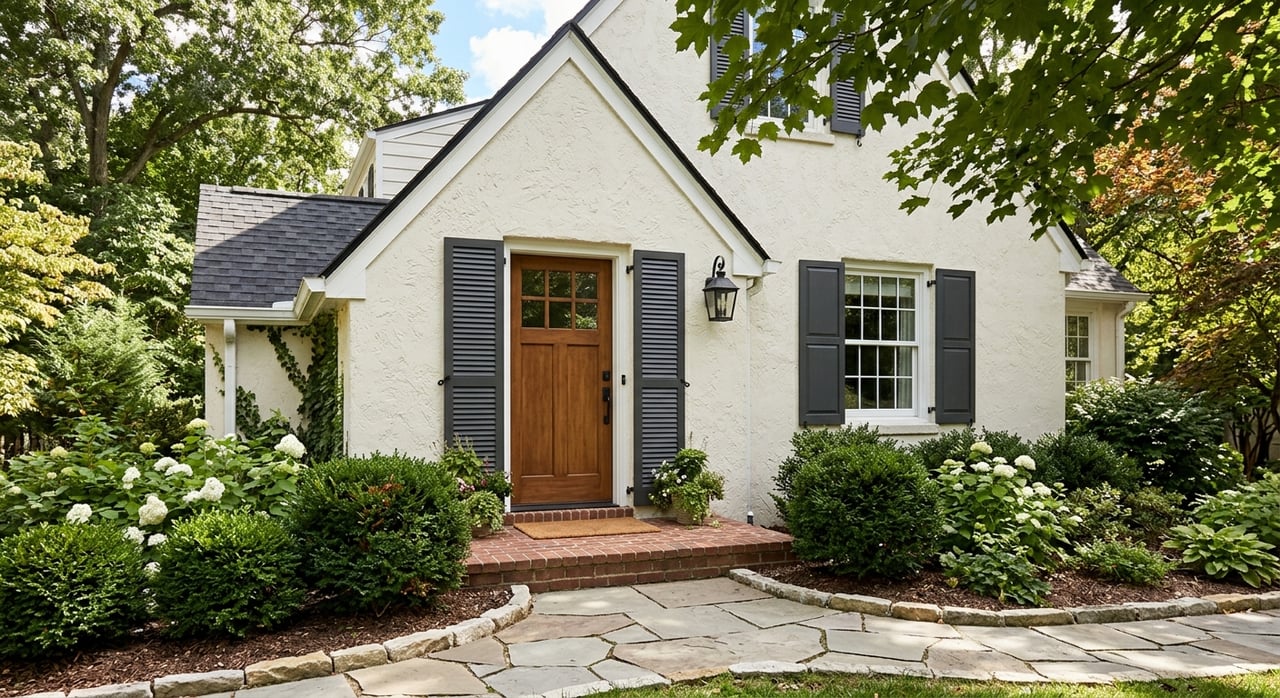
Looking for a Memphis neighborhood with real personality? Midtown often stands out because it blends historic homes, active commercial corridors, green space, and a central location that makes daily life feel connected. If you are wondering whether 38104 fits your lifestyle, this guide will help you understand the housing, pace, and everyday rhythm of living there. Let’s dive in.
Midtown Memphis at a glance
Midtown Memphis is less like one single neighborhood and more like a collection of well-known districts woven together. In 38104, you will find places such as Overton Park, Overton Square, Cooper-Young, Broad Avenue, and Crosstown Concourse, all contributing to the area’s identity.
That district-based layout is a big part of what living here feels like day to day. One part of Midtown may feel quieter and residential, while another feels artsy, walkable, and busy with restaurants, shops, and entertainment. This mix gives the area energy without making every block feel the same.
The 38104 ZIP code covers about 5 square miles and has 22,634 residents across 12,863 households. Census data also shows a median age of 37, an average household size of 1.7 people, and a mean commute to work of 19.1 minutes, which helps paint a picture of an urban area with smaller households and relatively short trips around town.
What daily life feels like in 38104
If you live in Midtown, your routine may naturally spread across several nearby districts. You might grab coffee or dinner in one corridor, spend time in a park in another, and head to live music or a performance somewhere else in the evening.
That variety is one of Midtown’s biggest draws. Local sources describe the area as home to restaurants, shopping, galleries, theaters, live music, and cultural venues, all woven into the neighborhood fabric. Instead of relying on one major destination, Midtown offers multiple pockets of activity.
Midtown also feels central in a practical sense. Several local destinations in the area are described as being about 10 to 15 minutes from Downtown Memphis, and many are also within about 15 to 20 minutes of the airport. For many buyers and relocation clients, that central placement can make the city feel easier to navigate.
Midtown housing has history and variety
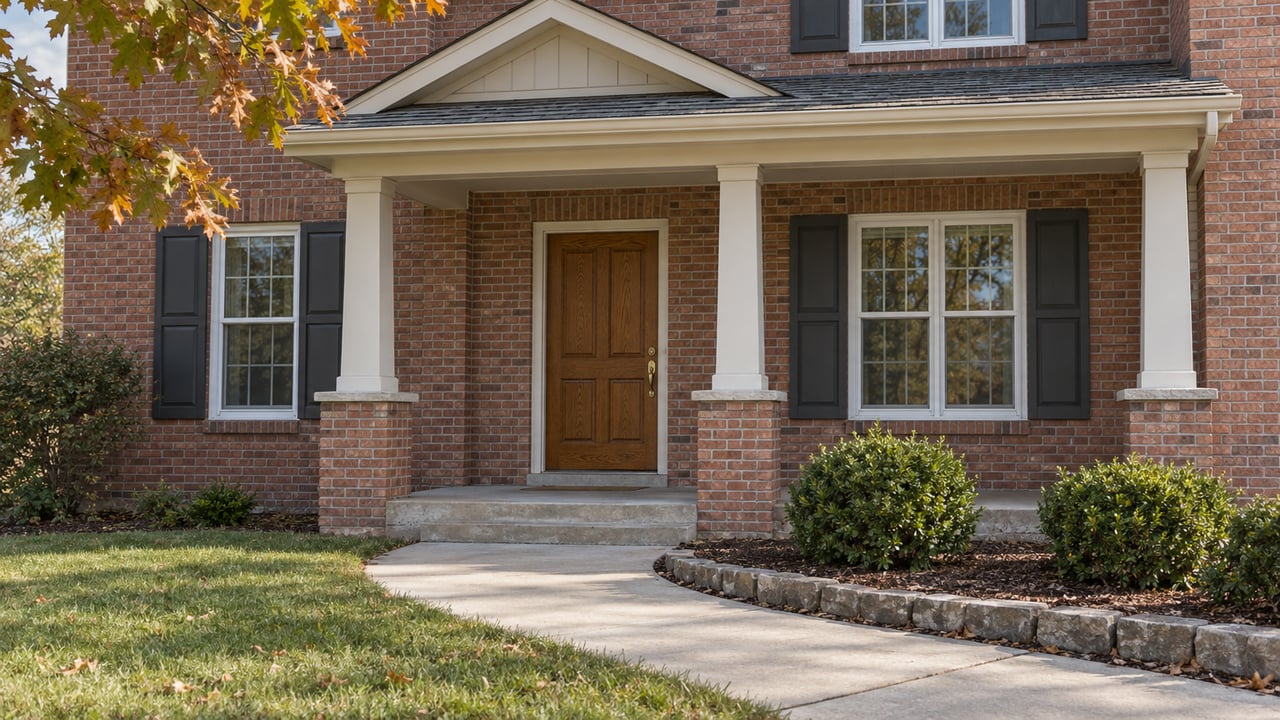
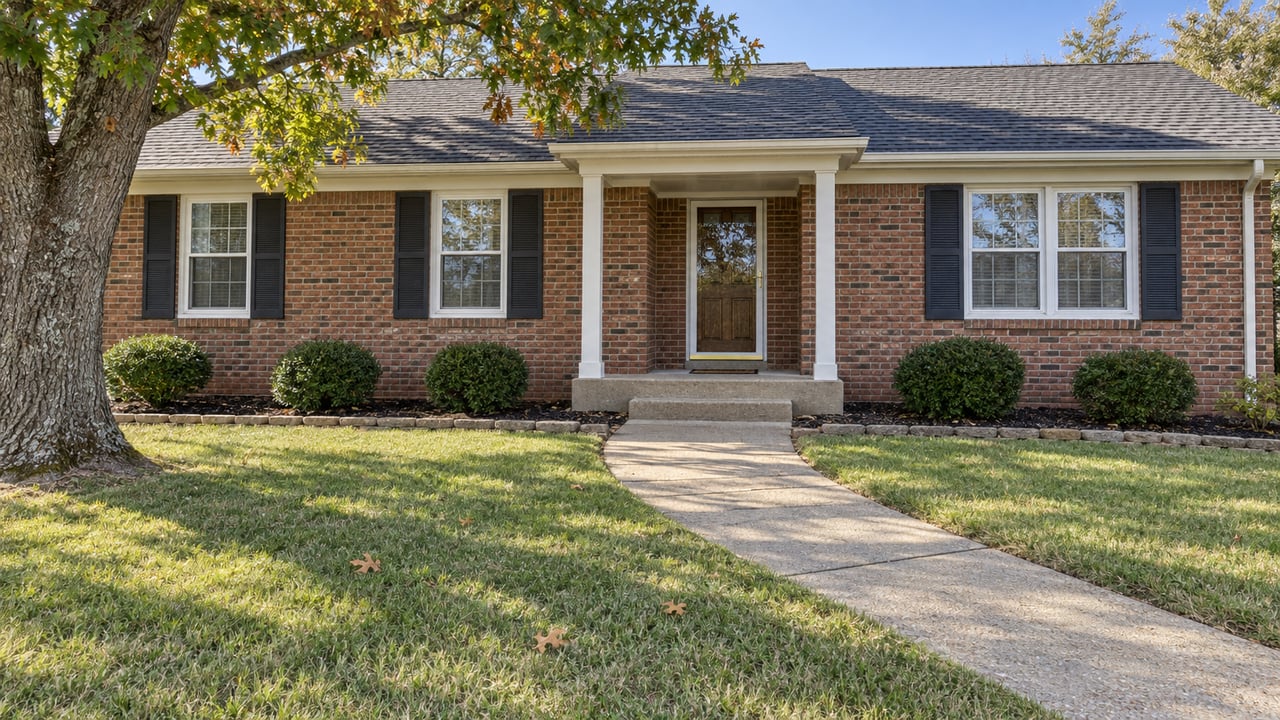
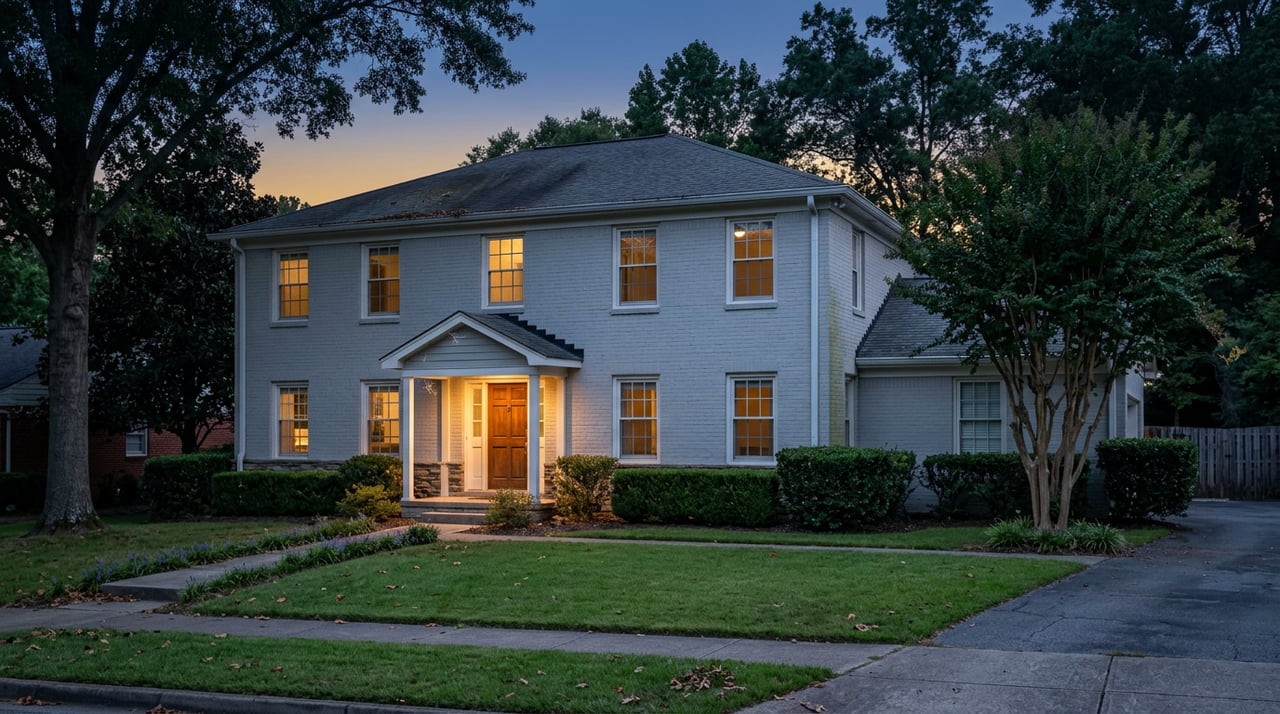
One of the first things you will notice about Midtown housing is that it is not cookie-cutter. Homes in this part of Memphis are often older, architecturally varied, and shaped by the area’s long development history.
In Central Gardens, for example, the neighborhood was developed most intensively from 1900 to 1930. It spans 83 blocks and 511 acres, with 1,540 structures, and the great majority are single-family residences. That history helps explain why streets there often feel established and visually distinct.
Cooper-Young reflects another side of Midtown’s historic character. Sources date much of its development from 1880 to 1940 and identify styles such as Bungalow/Craftsman, Colonial Revival, and Queen Anne. If you are drawn to homes with architectural detail and individuality, Midtown often delivers that in a way newer subdivisions do not.
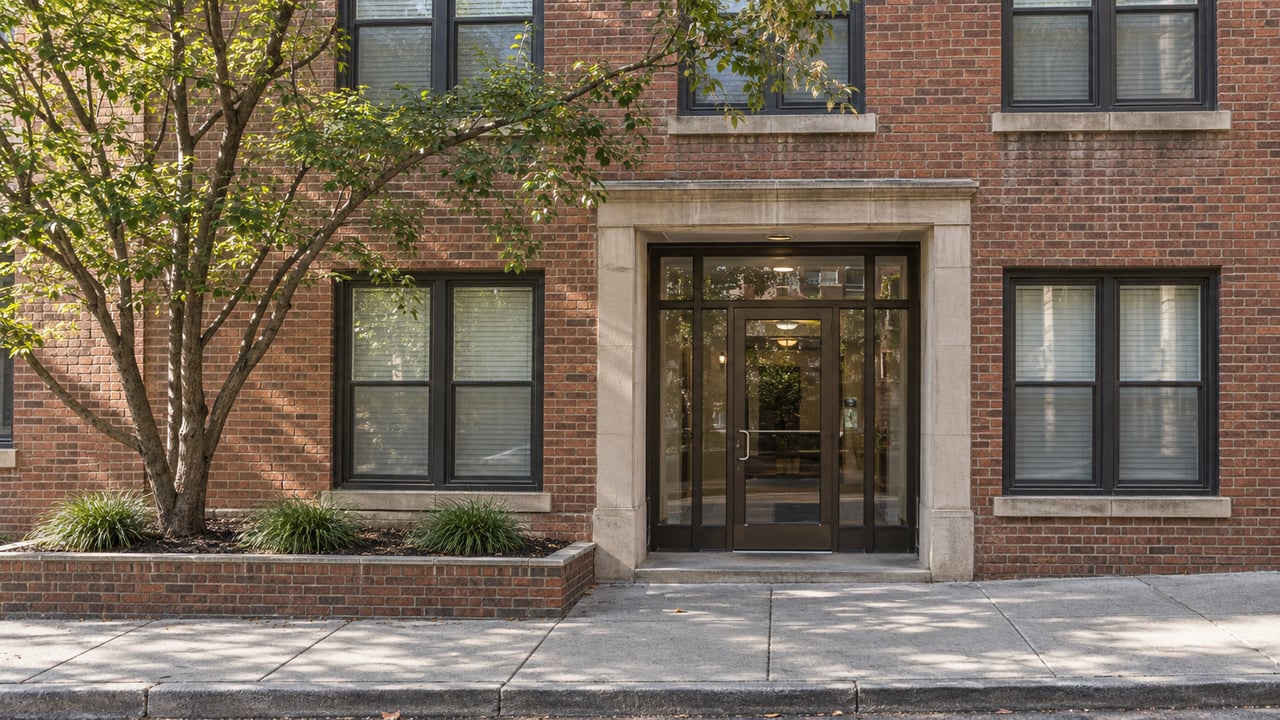
Midtown also includes apartments, loft-style living, and adaptive-reuse spaces. Crosstown Concourse, for instance, is described as a mixed-use community hub with residential, commercial, arts, cultural, health, wellness, and educational spaces. So while historic single-family homes are a major part of the story, they are not the whole story.
Lot sizes and street feel are more urban
Midtown usually feels more street-oriented than many suburban parts of the Memphis area. Based on the area’s historic development pattern, homes often sit on smaller, more urban lots with closer relationships to the street than what you may find in newer eastern subdivisions.
That creates a different daily experience. In many parts of Midtown, the visual rhythm comes from mature blocks, older homes, and established streets rather than larger lots and newer master-planned layouts.
For some buyers, that is exactly the appeal. If you want a neighborhood where the built environment feels layered and established, Midtown can offer that more readily than newer suburban areas.
Historic ownership can come with extra oversight
If you are considering a historic property in Midtown, it is smart to understand that not all homes come with the same level of flexibility for exterior changes. In Central Gardens, the neighborhood is a National Historic District, and architectural guidelines are administered with the Memphis Landmarks Commission.
In practical terms, that means exterior updates may involve more review than they would in a newer neighborhood. That is not necessarily a drawback, but it is an important part of the ownership experience if you are buying for charm, renovation potential, or long-term preservation value.
This is one reason local guidance matters when you are shopping Midtown. Older housing stock can be rewarding, but it often benefits from careful due diligence on condition, maintenance history, and any applicable design oversight.
Arts, dining, and parks shape the lifestyle
Midtown’s lifestyle is closely tied to a handful of active corridors and civic anchors. Overton Square is known for restaurants, bars, entertainment venues, shops, and performing arts, with local sources highlighting venues such as Playhouse on the Square, Hattiloo Theatre, Circuit Playhouse, and Ballet Memphis.
Overton Park adds another major layer to everyday life. It includes the Memphis Zoo, the Brooks Museum of Art, the Overton Park Shell, a dog park, and the Old Forest State Natural Area. For residents, that means access to both cultural destinations and outdoor space in the same general part of town.
Broad Avenue brings a different feel. It is described as a walkable and creative district with more than 70 locally owned businesses, murals, bike lanes, and walkway connectors. Cooper-Young is another major draw, combining historic homes with restaurants, bars, shops, and galleries.
Taken together, these places help explain why Midtown feels active without being defined by one single attraction. The appeal is in the mix of options and how closely they sit to everyday residential streets.
Midtown is economically mixed
Midtown does not fit neatly into one income bracket or one housing profile. In 38104, the median household income is $58,117, and 16% of residents are below the poverty line. At the same time, the median value of owner-occupied housing units is $317,200, which is above the Memphis metro median of $245,900.
That combination points to a neighborhood with range. You will find different housing types, different price points, and a broader mix of residents than in some more uniform areas.
The area is also somewhat mobile. Census data shows that 18.8% of residents moved in the previous year, which suggests a neighborhood that continues to attract newcomers while maintaining its established identity.
How Midtown compares with Downtown Memphis
If you are choosing between Midtown and Downtown, the difference often comes down to lifestyle more than distance. Downtown Memphis is more centered on riverfront attractions, major visitor destinations, hotels, sports, and large entertainment draws.
Midtown, by contrast, is more about neighborhood life. It offers historic homes, corridor-based dining and arts districts, and a lived-in residential feel that still keeps you close to major city destinations.
In simple terms, Downtown often feels like the city’s tourism and event core, while Midtown feels like the city’s arts-and-neighborhood core. If you want a home base with strong local character and easy access to culture, Midtown is often the better fit.
How Midtown compares with East Memphis
Midtown and East Memphis can appeal to very different buyers. Local descriptions of East Memphis emphasize tree-lined scenery, gardens, handsome homes, major shopping, and proximity to destinations like Shelby Farms Park.
Midtown tends to feel older, denser, and more urban by comparison. It is often a stronger match if you want historic housing, shorter trips to restaurants and arts venues, and a more street-oriented environment.
East Memphis may appeal more if you prefer a garden-district feel and a lifestyle centered around larger residential settings and retail convenience. Midtown may appeal more if architectural variety, central location, and neighborhood corridors matter most to you.
Who tends to like living in Midtown
Midtown can be a strong fit if you want more than just a house. Many buyers are drawn to the combination of historic character, access to parks and cultural venues, and the ability to move between different districts without feeling far from the rest of the city.
It can also appeal to relocation buyers who want a central launch point. With several Midtown destinations described as roughly 10 to 15 minutes from Downtown and the airport, the area can offer a practical balance between neighborhood feel and city access.
At the same time, Midtown is rarely about uniformity. If you are considering 38104, it helps to think in terms of micro-locations, housing style, and your comfort level with older homes, preservation-minded areas, and a more urban lot and street pattern.
If you are exploring Midtown Memphis and want help comparing it with East Memphis, Downtown, or nearby suburban options, Amy Woods offers a polished, hands-on approach for buyers, sellers, and relocation clients across the Greater Memphis area.
FAQs
What kinds of homes are common in Midtown Memphis?
- Midtown includes many older homes with varied architectural styles, especially in historic areas like Central Gardens and Cooper-Young, along with apartments and adaptive-reuse residential spaces such as those connected to Crosstown Concourse.
What does living in 38104 feel like day to day?
- Living in 38104 often means being near a mix of residential blocks, dining corridors, arts venues, parks, and local businesses, with daily life spread across several distinct Midtown districts.
Are historic Midtown Memphis homes subject to preservation rules?
- Some are. For example, Central Gardens is a National Historic District, and exterior architectural guidelines are administered with the Memphis Landmarks Commission.
How walkable are parts of Midtown Memphis?
- Local sources describe areas like Broad Avenue as walkable and creative, and corridors such as Cooper-Young and Overton Square also concentrate restaurants, shops, entertainment, and cultural venues in relatively close proximity.
How does Midtown Memphis compare with Downtown and East Memphis?
- Midtown generally offers a more neighborhood-centered, historic, and street-oriented lifestyle than Downtown, and it tends to feel older and denser than East Memphis.
What is the housing value context in 38104?
- In 38104, the median value of owner-occupied housing units is $317,200, which is above the Memphis metro median of $245,900 according to Census Reporter.