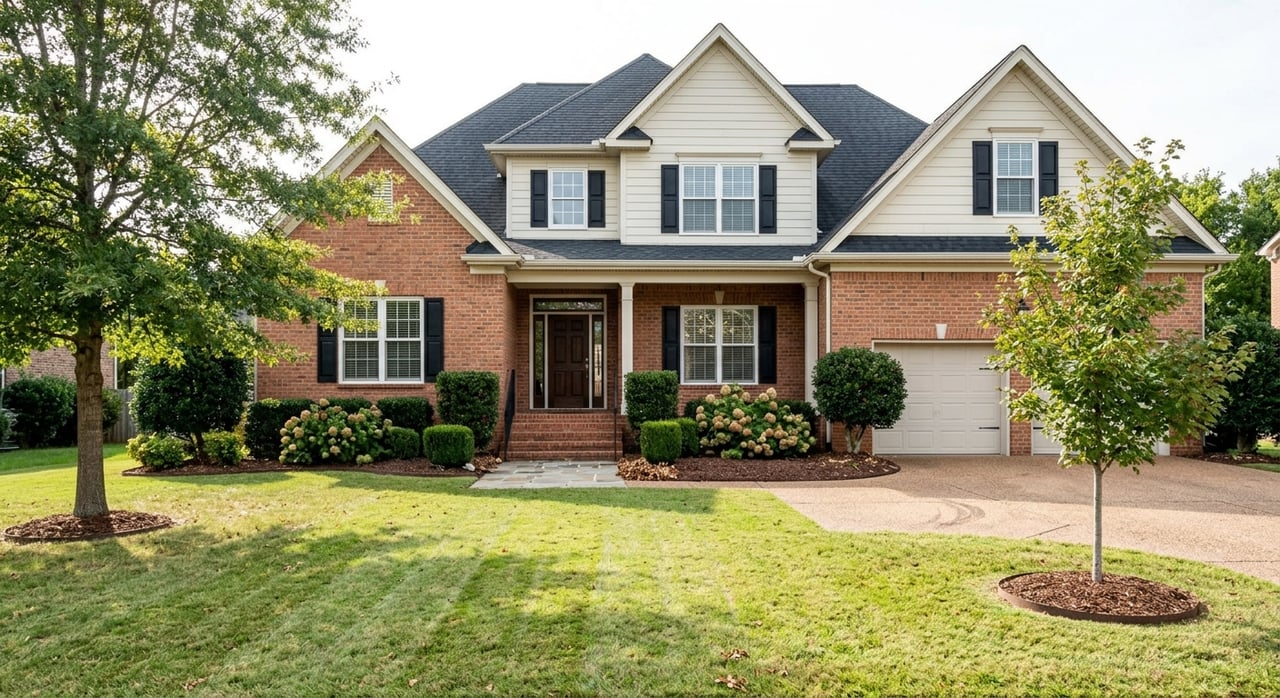
Thinking about buying a home in Arlington, TN? It is easy to see the appeal. Arlington offers a suburban setting in northeast Shelby County, a high rate of owner-occupied homes, and a housing mix that gives you options if you want newer construction, more space, or a home with a bit more character. If you are comparing Arlington with other east-side suburbs, knowing how the market, commute, neighborhoods, and costs work can help you make a smarter move. Let’s dive in.
Arlington at a Glance
Arlington is a growing town in Shelby County, about 30 miles from Memphis. According to the U.S. Census QuickFacts for Arlington, the town had an estimated population of 15,550 in July 2024, with an owner-occupancy rate of 84.7%.
That owner-occupancy rate matters when you are buying. It often points to a market where many residents stay long term, which can support neighborhood stability and resale demand. The same Census data shows a median owner-occupied home value of $424,400 and a median household income of $135,105, which helps frame Arlington as an established suburban market rather than a purely entry-level option.
Arlington Home Prices and Inventory
Before you shop, it helps to understand what kind of market you are entering. Homes.com’s Arlington market snapshot reports a median sale price of $416,150, a median list price of $449,065, an average price per square foot of $171, and 4.2 months of supply.
For buyers, that means you may have enough inventory to compare homes, lot sizes, and layouts without feeling completely boxed in. At the same time, Arlington is not so oversupplied that pricing pressure disappears. Well-priced homes can still attract strong attention, especially if they check the boxes buyers want most.
Arlington Housing Styles and Lot Sizes
One of the biggest things to know before buying in Arlington is that the housing stock is not one-size-fits-all. According to Homes.com’s local guide, the median year built is 2004, the average single-family home size is 2,489 square feet, and the median lot size is 12,632 square feet.
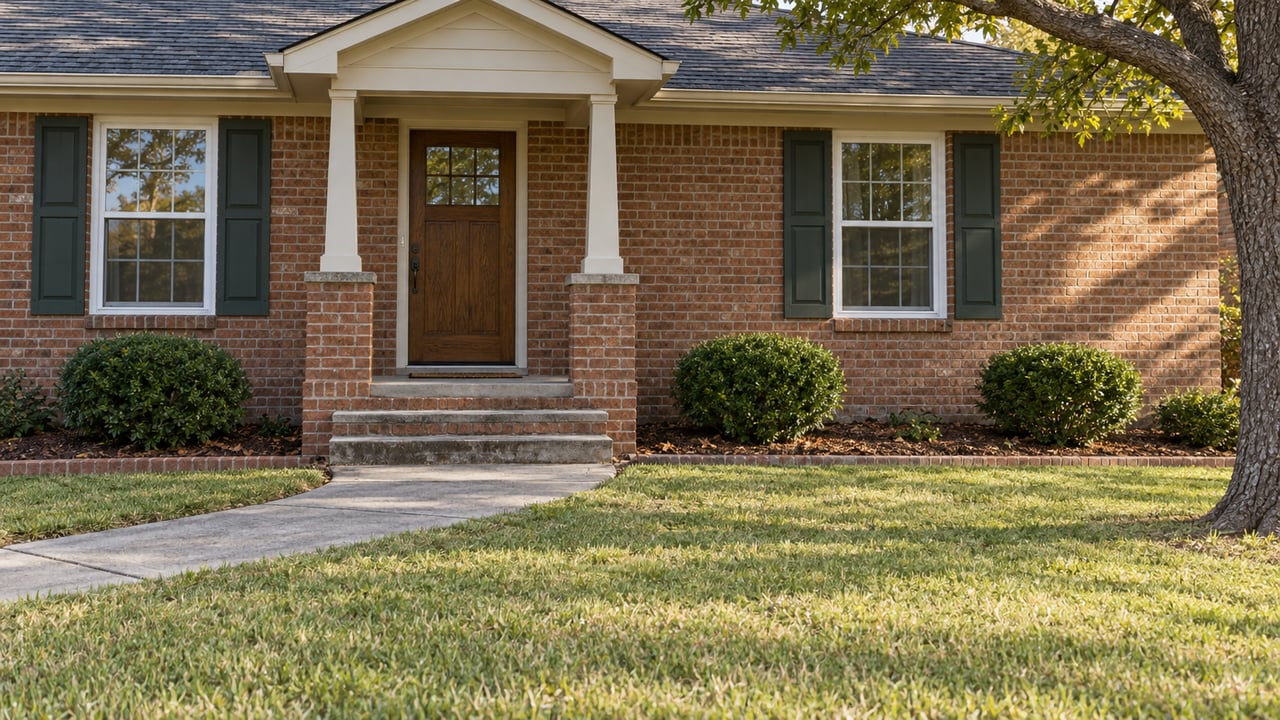
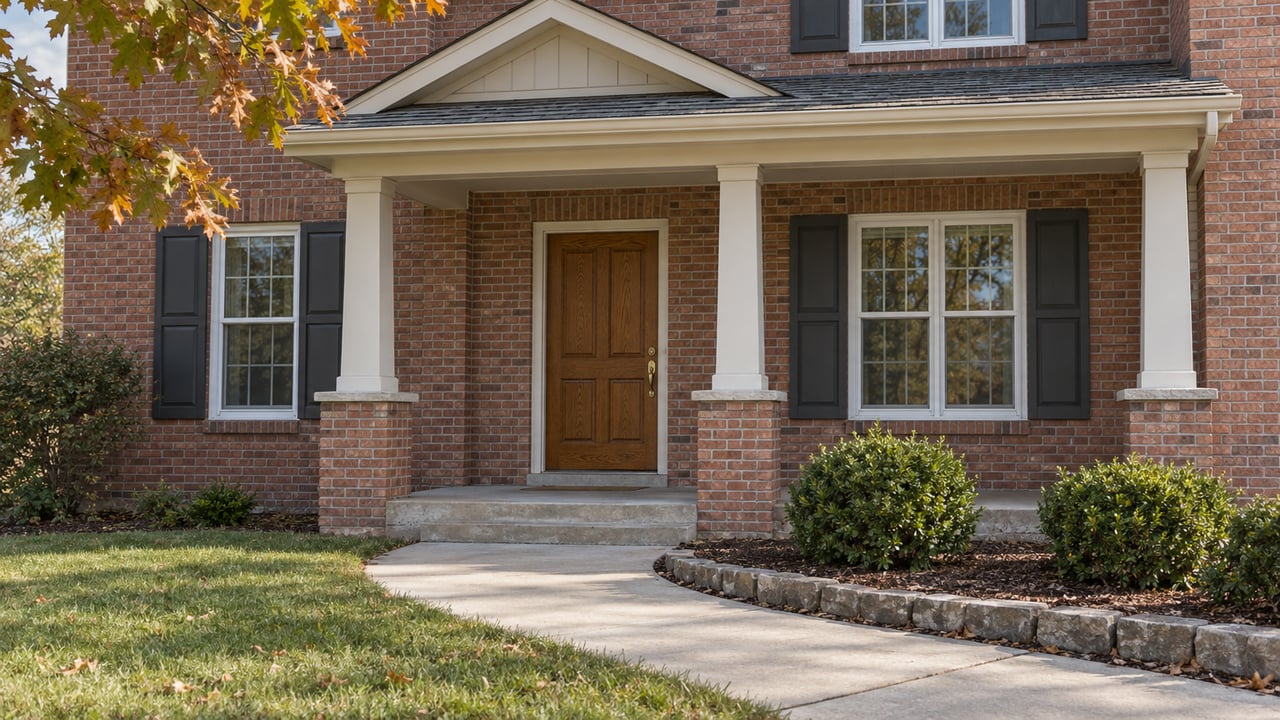
That points to a market with a strong presence of newer suburban homes. In middle Arlington, you will often see contemporary Traditional and Craftsman homes. In northern areas, homes and lots tend to get larger, while south Arlington has a more rural feel with open land and acreage.
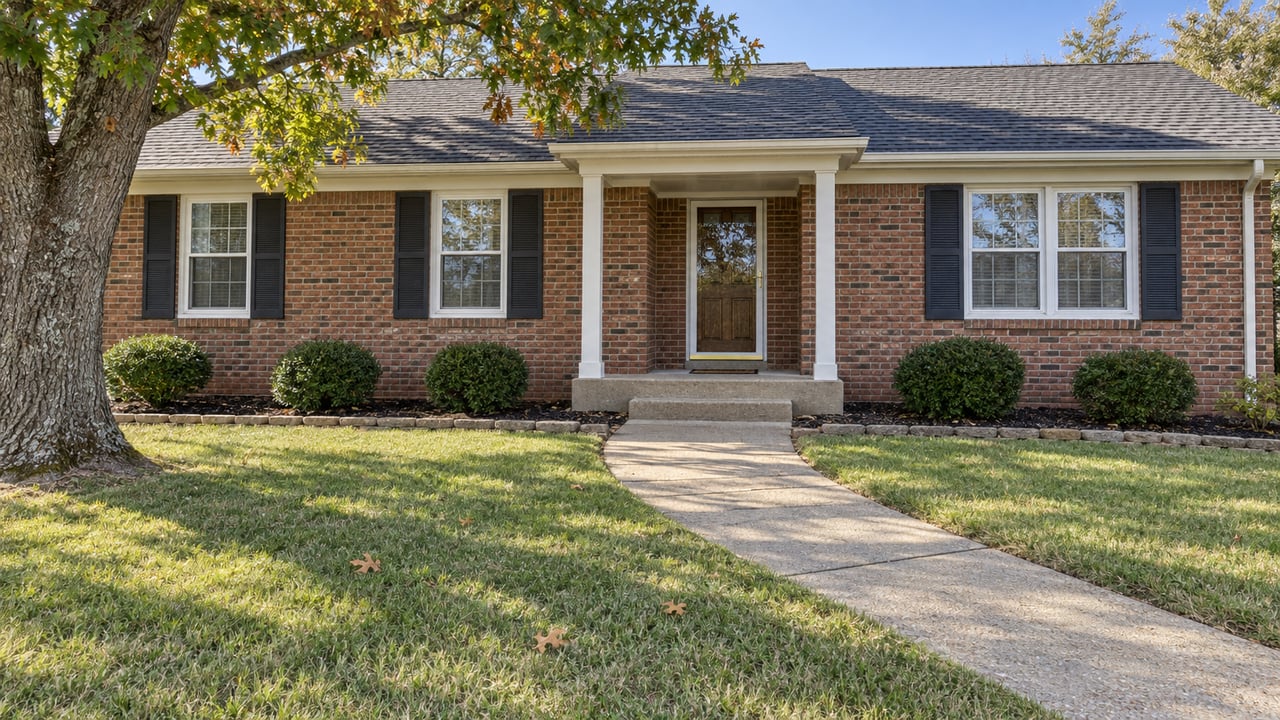
If you are hoping for more architectural variety, resale homes may give you more choices. The same guide notes pockets of Queen Anne, Craftsman bungalow, and ranch-style homes in established parts of town, which can be appealing if you want something less uniform than a planned subdivision.
Neighborhoods and Subdivision Living
Arlington includes a mix of neighborhoods that extend outward from historic Depot Square. The Arlington Chamber of Commerce neighborhood page and the town’s HOA contact registry reference communities such as Arlington Trace, Belmont, Brooks Manor, Cambridge Manor, Myers Park, and White Oak.
That tells you something important as a buyer. Subdivision living is common here, but Arlington is not limited to one type of setting. You can find planned communities, established neighborhoods, and some larger-lot or rural-style properties depending on where you look.
Because lot size and neighborhood feel can vary quite a bit, it is smart to compare homes at the property level instead of assuming every part of Arlington will feel the same. Two homes with similar square footage may offer very different outdoor space, HOA structure, and overall setting.
New Construction or Resale?
This is one of the biggest decisions buyers face in Arlington. If you like the appeal of a newer home, Arlington has active planned communities with modern layouts and community features.
For example, Grant New Homes’ Arlington communities page shows current offerings in Myers Park and White Oak. Myers Park includes 3- to 4-bedroom homes from 2,214 to 2,624 square feet, priced roughly from $422,000 to $456,000, with green space, walking trails, a pool, and lawn-maintenance features. White Oak offers 4- to 5-bedroom homes from 2,350 to 4,181 square feet, priced roughly from $465,300 to $665,000, with a broader range of lot sizes.
New construction can be attractive if you want modern finishes, energy-efficient systems, and fewer immediate repair concerns. But if you are considering a build from the ground up or a home still under development, timing matters. The Town of Arlington Planning Commission reviews new residential development, and the town’s process includes permits and site-plan approvals, which can add lead time compared with closing on a resale home.
Resale homes, on the other hand, may offer more mature landscaping, more established settings, and more variety in style. If your priority is character, lot individuality, or an older part of town, resale may be the better fit.
Commute and Daily Travel
Arlington works best for buyers who are comfortable with a road-based lifestyle. The town’s location gives you access to the larger Memphis area, but this is not a walk-to-work market.
The Memphis MPO regional study notes that the I-40/I-269 interchange sits in the center of Arlington, and I-40 west of the interchange carries more than 50,000 vehicles per day. The study also references transportation projects involving the I-40 diamond interchange and road widening on Airline Road and Highway 70.
That infrastructure is helpful if you commute around the region. It also means traffic patterns should be part of your home search. The Census QuickFacts lists Arlington’s mean travel time to work at 27.3 minutes, which fits its role as a suburban commute market.
Schools and Buyer Demand
Many buyers looking at Arlington are drawn to the local school system. The Census QuickFacts page states that Arlington Community Schools serves town residents across four campuses and enrolls nearly 5,000 Pre-K through 12th-grade students.
From a homebuying standpoint, the key takeaway is not to assume every listing offers the same convenience or attendance details. If schools are one of your decision factors, verify the current assignment and transportation details directly during your due diligence. This helps you make a decision based on current information tied to the specific property.
HOA Rules and What to Verify
If you are buying in Arlington, do not skip HOA research. The town’s HOA contact registry is voluntary and not comprehensive, but it confirms that many neighborhoods operate with some form of HOA structure.
Before you move forward on any home, ask about:
- HOA dues
- Transfer fees
- Architectural guidelines
- Lawn and exterior maintenance rules
- Amenity access or restrictions
- Rental limitations, if relevant to your plans
These details can affect both your monthly costs and your day-to-day use of the property. They are best reviewed early, not after you are already emotionally committed to a house.
Utilities, Taxes, and Ongoing Costs
Your monthly housing cost in Arlington will include more than principal and interest, so it helps to understand the basics ahead of time. According to the town’s HOA and utility information, MLGW provides electricity, gas, and potable water, while the Town of Arlington provides trash collection through Waste Pro as well as sewer and stormwater billing through the monthly MLGW bill.
The town’s sewer fee page states that sewer fees are calculated with a $9.75 base rate plus $3.69 per ccf of water use starting Oct. 1, 2025. The same town resources also explain that issues such as sewer backups, drainage concerns, street-sign problems, and potholes go through Public Works, while street-light outages go through MLGW.
On property taxes, the town’s community profile data lists Arlington’s municipal property tax rate at $1.13 per $100 of assessed value for 2025 and beyond, in addition to Shelby County taxes. The town also notes that county property values are reappraised every four years.
Internet and Remote Work Readiness
If you work from home even part of the week, internet access may be a serious factor in your search. Arlington performs well here. The Census QuickFacts data shows that 98.6% of households had a broadband subscription in the 2020 to 2024 period.
That does not replace checking service options at a specific address, but it does suggest strong overall broadband adoption across the town. For remote workers, hybrid professionals, and households with heavy streaming or device use, that is a practical plus.
What Buyers Should Focus On Most
If you are deciding whether Arlington is the right fit, focus on the tradeoffs that matter most to your lifestyle and budget. In many cases, the real question is not whether Arlington is a good town to buy in. It is whether a specific home and neighborhood line up with how you want to live.
Here are the main things to compare:
- Budget: Arlington’s pricing often reflects its suburban setting, owner-occupied character, and newer housing stock.
- Lot size: Some areas offer standard subdivision lots, while others may have larger parcels or acreage.
- Home style: Newer planned communities feel different from established resale pockets.
- HOA structure: Rules, dues, and amenities can vary significantly.
- Commute: Road access is strong, but daily driving is part of life here.
- Timeline: New construction may involve added lead time compared with resale.
A clear buying plan makes all of this easier. When you know your must-haves, nice-to-haves, and non-negotiables, you can sort through Arlington’s options with more confidence and less stress.
If you are planning a move to Arlington or comparing it with other Memphis-area suburbs, working with a local expert can save you time and help you weigh the details that do not always show up in a listing photo. When you are ready for a polished, concierge-level buying experience, connect with Amy Woods for guidance tailored to your timeline, budget, and goals.
FAQs
What should you know about Arlington, TN home prices before buying?
- Arlington has a reported median sale price of $416,150 and a median list price of $449,065, so it helps to enter your search with a realistic budget and room to compare options.
What should you know about lot sizes in Arlington, TN before buying?
- Lot sizes can vary by neighborhood, with standard suburban lots common in many areas and some larger parcels or acreage properties available in other parts of town.
What should you know about new construction in Arlington, TN before buying?
- New construction is available in planned communities like Myers Park and White Oak, but build timelines can be longer because development goes through local review, permitting, and approval processes.
What should you know about HOAs in Arlington, TN before buying?
- Many Arlington neighborhoods have HOA structures, so you should verify dues, transfer fees, property-use rules, exterior requirements, and amenity details for the specific home you want.
What should you know about commuting from Arlington, TN before buying?
- Arlington is a drive-oriented suburb with access to I-40 and I-269, and the town’s mean travel time to work is 27.3 minutes, so commute planning should be part of your decision.
What should you know about utilities and taxes in Arlington, TN before buying?
- Buyers should account for MLGW-served electricity, gas, and water, town-provided trash and sewer-related charges, plus Arlington municipal property taxes in addition to Shelby County taxes.