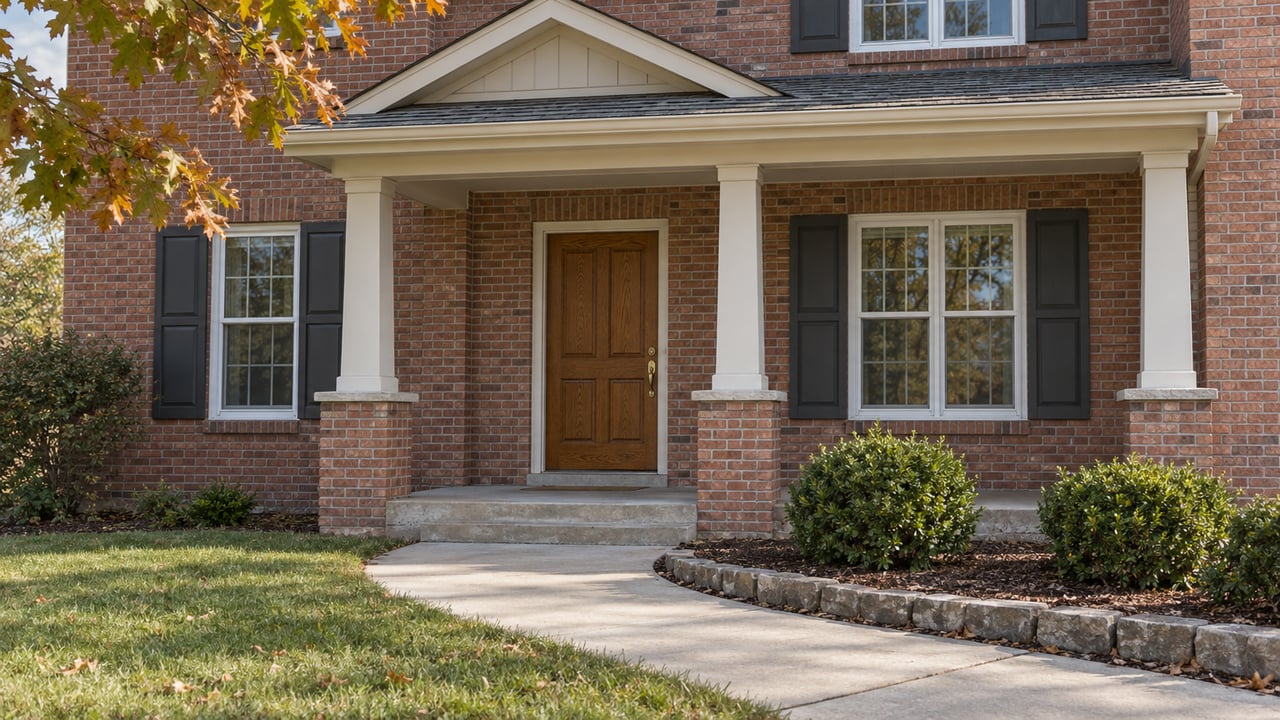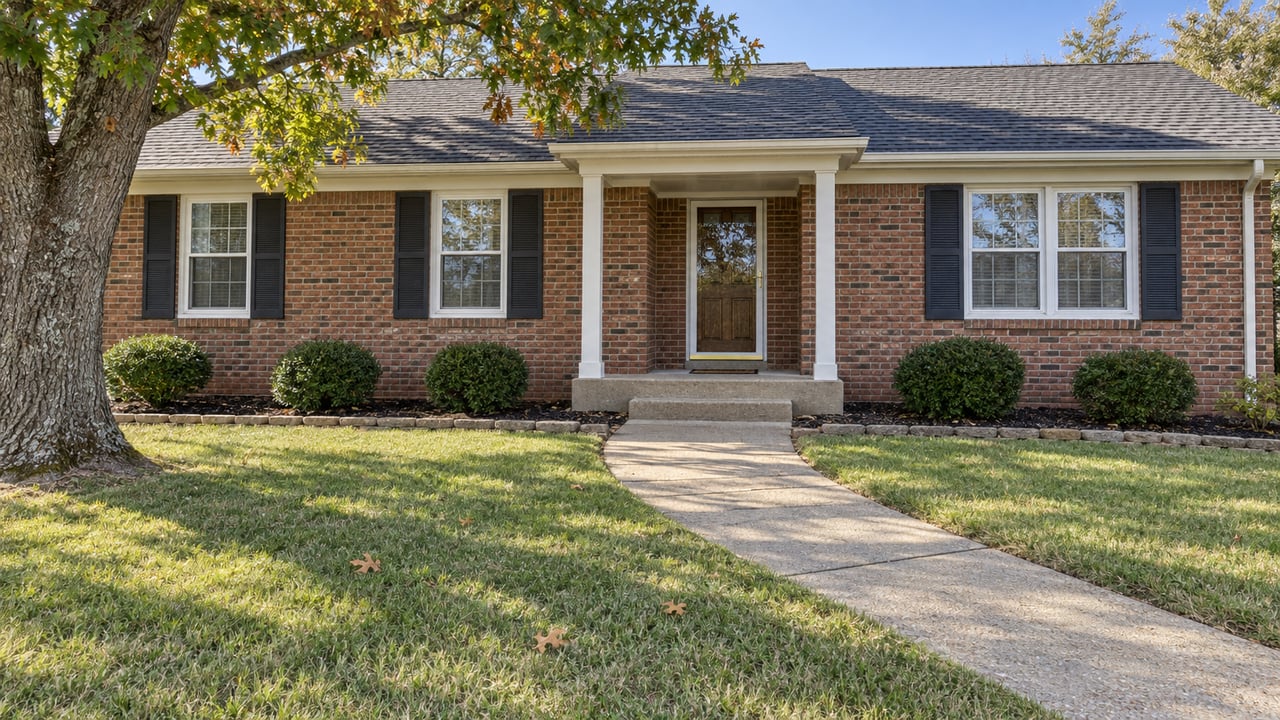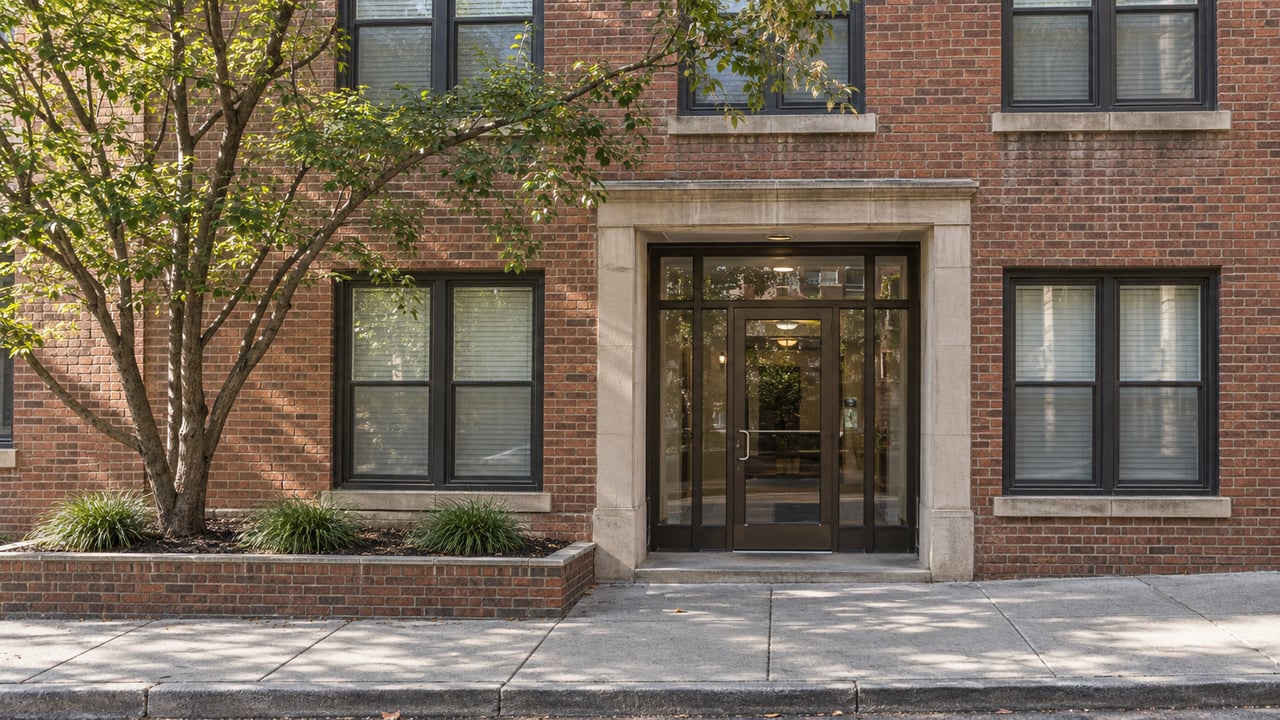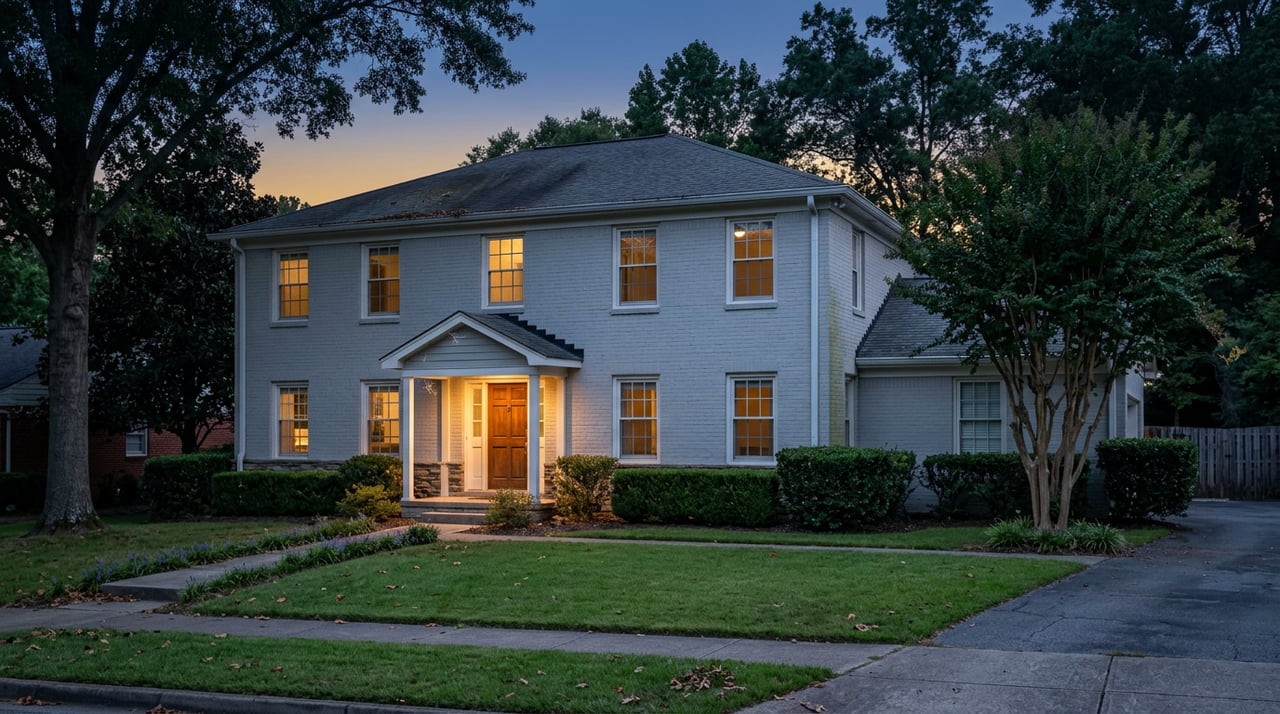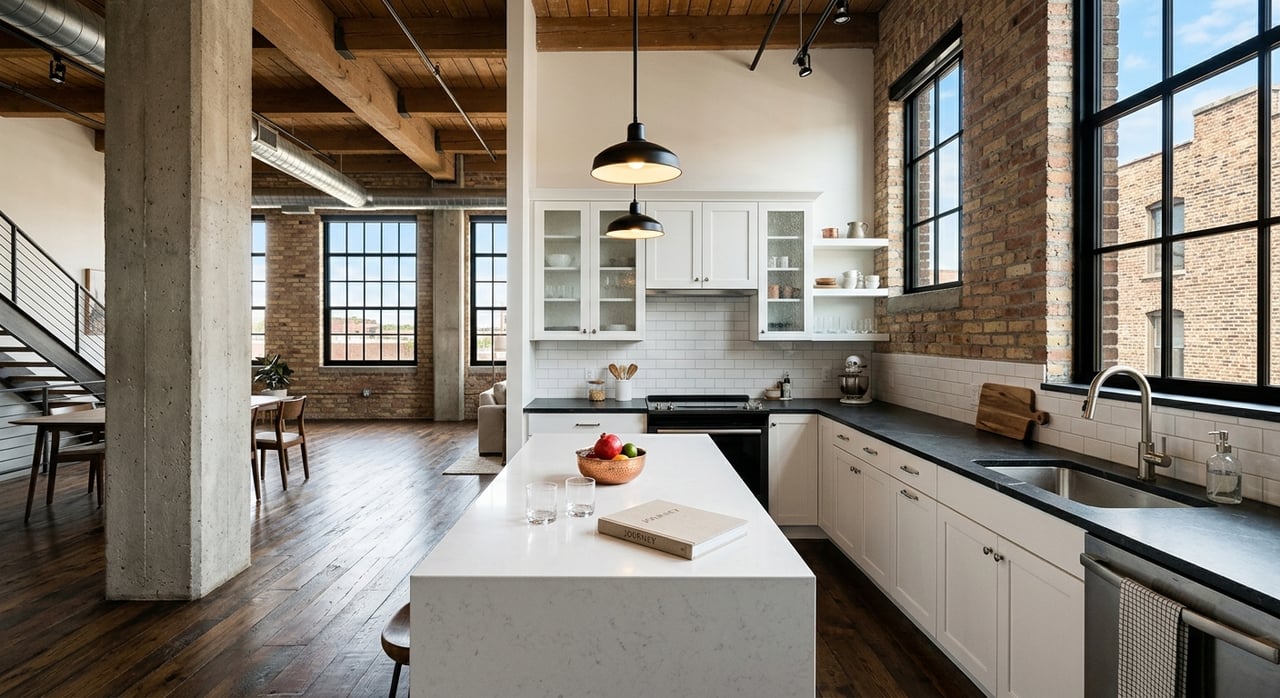
Wondering whether a downtown Memphis condo or loft is the right fit for you? If you are drawn to walkable city living, unique architecture, and a lower-maintenance lifestyle, 38103 offers options that can feel very different from a typical single-family home. The key is knowing what to compare before you fall in love with a space. Let’s break down what to look for when buying a condo or loft in Downtown Memphis.
Downtown Memphis Condos and Lofts Are Not All the Same
In Downtown Memphis, you are not shopping one single product type. The area includes traditional condo buildings, smaller condo communities, and loft-style residences created through historic renovation or adaptive reuse.
The Downtown Memphis Commission condo directory includes buildings such as Lofts at South Bluffs, The Nettleton, River Tower at South Bluffs, Shrine Building Condos, Talbot Square, Waterford Plaza, and William Farrington Condos. At the same time, the broader residential inventory downtown also includes many apartment projects. That means one of your first steps is confirming whether a property is actually for-sale condo inventory, a loft-style condo, or a rental building.
Know the Common Building Types
Downtown Memphis has several building styles that appeal to different buyers. Some properties are historic loft conversions, while others are smaller condo communities with a more limited number of units.
For example, Brodnax Building was renovated into just 2 condo units. Talbot Square has 20 condo units across two buildings. Other projects, such as 95 South Main Condos and South Main Artspace Lofts, reflect the flexible, urban feel many buyers want from a downtown loft.
Why Building Type Matters
A historic loft may offer character, exposed materials, and a less conventional layout. A smaller condo community may feel more intimate, but major building expenses are spread across fewer owners.
That is why your search should go beyond square footage and finishes. You want to understand the ownership structure, the size of the association, and how the building is managed before you make an offer.
HOA Details Matter More Than You Think
When you buy a condo or loft, you are not only buying the unit. You are also buying into the homeowners association and its financial health.
Under Tennessee condo law, associations can adopt budgets for revenues, expenses, and reserves, and they collect common-expense assessments. The association must also maintain records that support required disclosures to buyers and lenders.
What Buyers Can Request
In Tennessee, when a unit owner, purchaser, or lender requests the disclosure package, the association generally has 10 business days to provide it. That package can include:
- The declaration and bylaws
- Current rules
- Recent financial statements
- The approved budget
- Reserve information and any reserve study
- Assessment amounts and owner delinquencies
- Meeting minutes
- Insurance coverage information
- Litigation status
- Transfer fees and amenity fees
- Whether the board is still under declarant control
This information can tell you a lot about the building behind the listing photos.
Key HOA Questions to Ask
Before you move forward, ask a few direct questions:
- Is there a reserve study?
- Is the current reserve balance likely to cover upcoming repairs?
- Are any special assessments already approved or under discussion?
- Are there pending lawsuits or unsatisfied judgments?
- Is there a high delinquency balance among owners?
- Is the board still under declarant control?
These questions matter in any condo purchase, but they can be especially important in smaller downtown associations. Fewer units can mean less room to absorb a major repair expense.
Parking Can Change the Whole Decision
In Downtown Memphis, parking is often a major lifestyle and budget factor. It should never be treated as an afterthought.
The Downtown Memphis Commission notes that the Downtown Mobility Authority coordinates parking policy and management in the area. Downtown parking is supported by a network of garages and lots, and some facilities use security staff, license plate recognition cameras, and remote-view security cameras.
Parking Varies by Building
There is no one-size-fits-all downtown parking setup. Local project examples show how much parking ratios can vary.
Museum Lofts has 68 apartment units and 72 parking spaces. Chisca on Main has 161 apartments and a 110-space parking garage. Tennessee Brewery Phase I includes 148 apartments and 339 parking spaces, while the planned 675 S Riverside Dr Multifamily project lists 137 units and 137 surface parking spaces.
Some condo buildings may rely more heavily on nearby public garages or lots. The Shrine Building Condos, Talbot Square, and River Tower at South Bluffs all list nearby parking options, which shows why parking needs to be confirmed on a building-by-building basis.
Parking Questions to Ask Before You Buy
As you compare downtown condos and lofts, ask:
- Is parking deeded, assigned, leased, or first-come?
- Is there guest parking?
- Are there monthly parking charges?
- Is there a waitlist for spaces?
- Are there access, vehicle height, or storage restrictions?
If you commute daily, host guests often, or own a larger vehicle, these details can have a big impact on how convenient your home feels.
Compare Total Monthly Cost, Not Just Price
A downtown condo can look attractive based on purchase price alone, but your real decision should come down to the full monthly cost. That gives you a more accurate picture than list price by itself.
Your monthly housing cost may include principal and interest, property taxes, homeowners insurance, mortgage insurance if applicable, HOA dues, utilities, and maintenance-related expenses. Condo dues are often paid separately from your mortgage payment, so it is important to include them in your budget from the start.
What Local Property Taxes Look Like
For local context, the City of Memphis lists a 2025 city property tax rate of $2.58081 per $100 of assessed value. Shelby County adopted a FY26 tax rate of $2.69 per $100 of assessed value, and residential property is assessed at 25 percent of appraised value.
Using those published figures as a rough example, a condo with a $250,000 appraised value would generate about $3,294 per year in combined city and county property taxes, or about $275 per month, before any parcel-specific charges or future rate changes.
Why HOA Fees Need a Closer Look
HOA fees can shift some repair and upkeep costs away from you individually and into the association budget. That can simplify ownership, especially if the association handles common elements and plans for reserves.
Still, not all HOA fees offer the same value. You want to know exactly what the fee covers, how much goes toward reserves, and whether the current budget supports the building's long-term needs.
A Smart Downtown Condo Shortlist
If you want fewer surprises, keep your comparison process simple and focused. In Downtown Memphis, most condo and loft decisions come down to three things: building type, HOA quality, and parking plus monthly cost.
Here is a practical shortlist to use as you narrow your options.
1. Verify the Ownership Form
Make sure the property is a true condo or loft you can purchase, not just a residential building with rental units. This is one of the easiest ways to avoid confusion early in your search.
2. Review the HOA Package Carefully
Read the budget, reserve information, rules, insurance details, meeting minutes, and any litigation disclosures. This is where you can spot possible risks before closing.
3. Confirm Parking in Writing
Do not assume a space comes with the unit. Confirm whether parking is included, optional, separate, or nearby.
4. Budget for the Full Monthly Payment
Add mortgage costs, taxes, HOA dues, insurance, parking, and expected utilities. That gives you a realistic ownership picture.
5. Ask About Extra Fees
Transfer fees, amenity fees, and other building-specific charges can affect your upfront and ongoing costs. Tennessee disclosure requirements help surface these items, but you still want to review them before you commit.
Downtown Memphis Can Be a Great Fit
Buying a condo or loft in Downtown Memphis can give you access to character-filled spaces, urban convenience, and a lower-maintenance ownership style. It can also require a little more homework than buying a typical single-family home, especially when you are comparing HOA strength, parking, and total monthly cost.
If you want a clear, concierge-style approach to sorting through the options, local guidance can make the process much easier. Whether you are relocating, buying your first downtown property, or looking for the right fit in 38103, Amy Woods can help you compare properties with confidence and move forward with a smart plan.
FAQs
What should you check first when buying a condo or loft in Downtown Memphis?
- First, confirm whether the property is a true condo, a loft-style ownership unit, or a rental building, because downtown inventory includes more than one housing type.
What HOA documents should you request for a Downtown Memphis condo?
- You should request the association's disclosure package, which may include the declaration, bylaws, rules, financial statements, approved budget, reserve information, meeting minutes, insurance details, litigation status, and fee disclosures.
Why is parking important when buying a condo in Downtown Memphis?
- Parking varies widely by building, and it may be deeded, assigned, leased, first-come, or located in a nearby garage or lot, so it can affect both convenience and monthly cost.
How are property taxes calculated for a condo in Memphis, Tennessee?
- Memphis city and Shelby County property taxes are based on assessed value, and residential property is assessed at 25 percent of appraised value using the published local tax rates in effect.
What makes a smaller condo association different in Downtown Memphis?
- In a smaller association, major repair costs may be spread across fewer owners, which can make reserve strength and special-assessment risk more important to review.